
Month: May 2026

How Foreign Governments Use Social Media to Shift Public Opinion

How Foreign Governments Use Social Media to Shift Public Opinion

The idea of foreign governments trying to influence public opinion in other countries is not new. State-sponsored radio broadcasts, pamphlets, and propaganda films have been around for a century. What is new is the scale, the precision, and the invisibility of how this gets done today. Modern influence operations do not look like propaganda. They look like your neighbor’s Facebook post.

The basic playbook has been documented extensively since the 2016 US election exposed it. A foreign government, or a contractor working on its behalf, creates a network of social media accounts. Some of these accounts pose as ordinary citizens of the target country. They post content designed to appeal to specific segments of the population, often content that exploits existing social divisions: immigration, race, economic anxiety, political identity. The goal is not necessarily to promote a specific policy, but to increase division, lower trust in institutions, and make democratic discourse more chaotic and less functional.

The accounts that do this most effectively do not lead with the divisive content. They spend months building authentic-looking profiles: posting about local sports teams, sharing recipes, engaging in normal social activity. Once the account has followers and a track record, the divisive content gets introduced gradually. By the time the influence operation is in full swing, the accounts look indistinguishable from the organic community they have been cultivating.
Allyvia’s analysis of how sharing and reposting distorts information

Several countries have developed sophisticated versions of this capability. Russia’s Internet Research Agency, which was indicted by a US grand jury in 2018, operated accounts that collectively reached tens of millions of Americans before the 2016 election. China runs influence operations targeting diaspora communities and shaping narratives around Taiwan, Hong Kong, and Xinjiang. Iran has run operations targeting both US and Israeli audiences. The tactics differ in emphasis, but the structure is similar: scale, patience, and plausible deniability.

What makes this particularly hard to counter is that the content itself is often not false. Divisive things are real. Grievances are real. An influence operation does not need to invent tensions from scratch. It just needs to find existing tensions, find the people who feel them most strongly, and amplify. A real story about a real injustice can be weaponized for influence purposes just as effectively as a fabricated one, and it is harder to fact-check your way out of.

PaxPoint gets into the genuine uncertainty about effectiveness. Not all operations achieve their goals. Not all amplification translates to changed minds. But the documented scale of the attempts justifies taking the phenomenon seriously even before the outcome data is fully clear.

The practical question for ordinary social media users is how to engage with this knowledge without becoming so paranoid that you distrust everything. A few useful habits: pay attention to whether an account has a history before the content you are seeing, be more skeptical of content that seems designed to provoke a strong emotional reaction about a divisive topic, and consider whether what you are reading is trying to inform you or trying to make you angry at a specific group.

Social media companies have made some investments in detecting and removing coordinated inauthentic behavior, with mixed results. The arms race between detection and evasion is ongoing. The most reliable protection is a combination of platform effort and individual awareness, and right now the individual awareness side has a lot of room to grow.

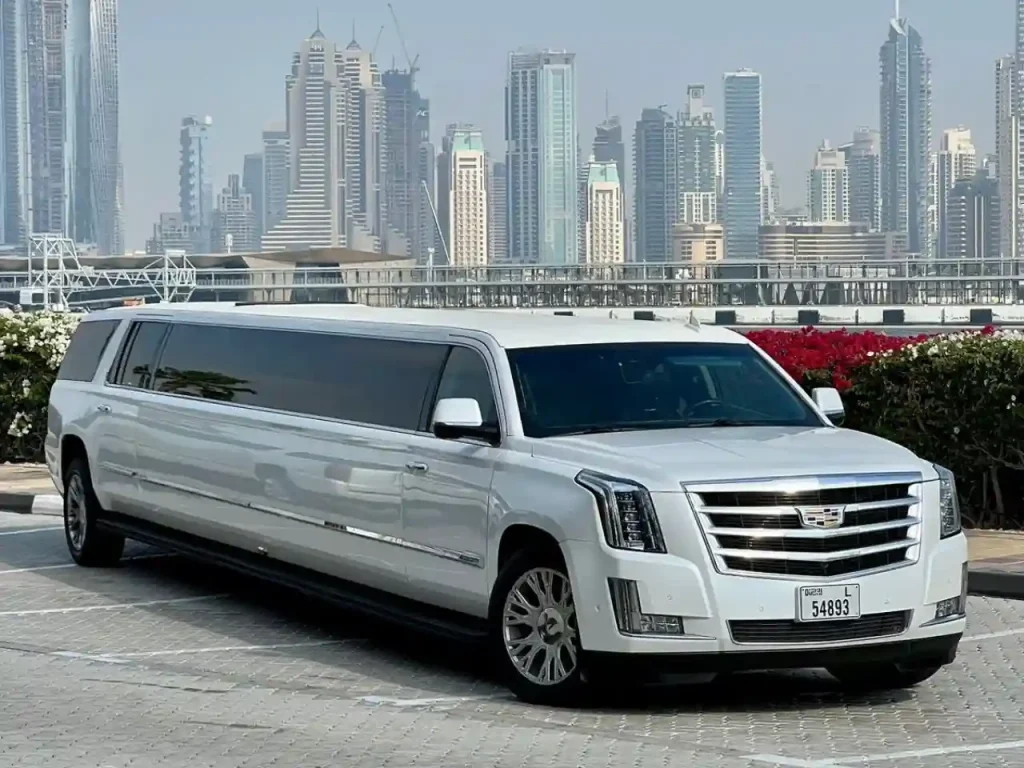
Some journeys feel easier when everything is already taken care of

There are days when everything already feels packed before the first ride even begins. Messages coming in. Calls waiting. Timings stacked too close together. So when the travel part works smoothly, people notice it immediately. Not in an overly excited way. More like relief.

You get inside the vehicle and stop thinking about directions, delays, or whether the driver will suddenly cancel. The mind quiets down a little. That alone changes the mood of the day more than expected.

For many people using a Boston Executive Limo Service, that is the real reason behind the choice. Not attention. Not appearance. Just wanting one less thing to manage. And honestly, that makes sense.

The role of planning in smooth transportation

Unplanned travel creates tiny moments of pressure. Individually they seem small, but together they become exhausting.

Waiting longer than expected. Rechecking pickup locations. Wondering if traffic will ruin the schedule.

Planned transportation removes a lot of that uncertainty before the trip even starts.

  • Pickup timing feels clearer
  • Routes are usually prepared ahead
  • Communication stays more organized
  • The overall process feels calmer

People sometimes underestimate how much energy gets wasted on small travel problems.

Until they stop happening.

limo services

Why waiting around often creates more frustration than delays

Strangely, people often tolerate traffic better than uncertainty. A delayed ride feels frustrating mostly because nothing feels clear during the wait. You keep checking your phone. You estimate arrival times repeatedly. A few minutes starts feeling longer than it actually is.

But when the process feels organized, even delays feel easier to handle.

That predictability changes the emotional side of travel. Which sounds dramatic maybe, but it is true for a lot of people. Especially during busy weeks.

Real situations where better travel changes the outcome

There are situations where smoother transportation genuinely affects the day.

  • Reaching an important meeting without feeling mentally scattered
  • Getting to the airport without panic
  • Returning late at night without extra stress
  • Managing event schedules more smoothly

In those moments, reliable transportation feels less like a convenience and more like support. And support matters differently when the day is already overloaded. Sometimes even a calm twenty minute ride helps reset the mind a little before the next thing begins.

How travel experiences quietly shape routines

Daily movement becomes part of how people experience work, events, and even personal time. When transportation constantly feels uncertain, routines become harder to maintain. There is always another adjustment waiting somewhere.

That is partly why services like Boston Executive Limo Service fit naturally into certain lifestyles now. The experience feels more settled. More reliable. Less reactive.

Not perfect every single time maybe. Traffic still exists. Busy schedules still happen. But the overall experience feels lighter. And after enough stressful days, lighter starts feeling important.

Unlocking the Potential of Gamified Loyalty Programs in Dental Marketing

Unlocking the Potential of Gamified Loyalty Programs in Dental Marketing

The Evolution of Patient Engagement in Modern Dental Practices

The landscape of patient engagement with dental marketing has transformed dramatically over recent years, with dental practices increasingly seeking innovative approaches to build lasting relationships with their patients. Traditional methods of patient retention, whilst still valuable, are being enhanced by creative strategies that tap into fundamental human psychology. Gamified loyalty programmes represent one such advancement, offering dental practices a fresh perspective on how to maintain patient interest and encourage regular attendance.

The concept of gamification extends far beyond simple point-scoring systems. It encompasses a comprehensive approach to patient interaction that leverages elements of competition, achievement, and reward to create meaningful connections. When properly implemented, these programmes can transform routine dental visits from perceived obligations into engaging experiences that patients actively anticipate.

Understanding the Psychology Behind Gamified Systems

The success of gamified loyalty programmes lies in their ability to trigger positive psychological responses. Patients naturally respond to clear goals, measurable progress, and recognition of their achievements. These programmes tap into intrinsic motivations that encourage consistent oral health behaviours whilst simultaneously strengthening the patient-practice relationship.

Research demonstrates that individuals are more likely to engage with activities when they perceive a sense of progression and accomplishment. In the context of dental care, this translates to patients who are more committed to maintaining regular appointments and following recommended treatment plans. The key lies in creating systems that feel rewarding rather than manipulative, ensuring that the patient experience remains authentic and valuable.

Key Components of Successful Gamified Loyalty Programmes

Achievement Milestones and Progress Tracking

Modern dental practices are discovering the power of milestone-based systems that recognise patient commitment to oral health. These programmes typically feature multiple tiers of achievement, from basic attendance rewards to recognition for completing comprehensive treatment plans. Integrating behavioural analytics to personalise reward tiers allows practices to tailor their approach to individual patient preferences and behaviours.

Progress tracking systems provide patients with tangible evidence of their commitment to oral health. Visual representations of their journey, whether through digital dashboards or physical reward cards, create a sense of ownership and pride in their dental care routine. This approach transforms abstract concepts like “good oral hygiene” into concrete, measurable achievements.

Interactive Challenges and Educational Elements

The most engaging gamified systems incorporate educational components that empower patients to take active roles in their oral health journey. Interactive challenges might include daily brushing streaks, flossing consistency goals, or participation in oral health quizzes. These activities serve dual purposes: they reinforce positive behaviours whilst providing valuable educational content that enhances patient understanding of dental health principles.

Seasonal challenges and special events can maintain programme freshness and encourage ongoing participation. These might include oral health awareness month activities, family participation challenges, or community-wide initiatives that foster a sense of belonging amongst practice patients.

Implementation Strategies for Dental Practices

Successful implementation requires careful consideration of practice culture and patient demographics. Gamifying dental marketing approaches should align with the practice’s overall brand identity and values. Staff training plays a crucial role in programme success, as team members must understand and enthusiastically support the initiative to ensure authentic patient interactions.

Technology integration presents both opportunities and challenges. Digital platforms can streamline programme management and provide sophisticated tracking capabilities, whilst traditional approaches may resonate more strongly with certain patient populations. Comprehensive gamification strategies for dental practices often benefit from hybrid approaches that combine digital convenience with personal touch points.

Measuring Success and Long-term Benefits

The value of gamified loyalty programmes extends beyond immediate patient engagement metrics. Practices implementing these systems often observe improvements in appointment adherence, treatment plan acceptance, and patient referral rates. These programmes can significantly enhance marketing efforts by creating positive patient experiences that naturally lead to word-of-mouth recommendations.

Long-term success requires ongoing programme evolution based on patient feedback and engagement data. Regular assessment ensures that rewards remain meaningful and challenges stay appropriately difficult to maintain patient interest without creating frustration.

Transforming Patient Relationships Through Strategic Gamification

Gamified loyalty programmes represent a sophisticated approach to patient engagement that acknowledges the changing expectations of modern healthcare consumers. When thoughtfully implemented, these systems create win-win scenarios where patients enjoy enhanced experiences whilst practices benefit from increased loyalty and engagement. The future of dental practice success increasingly depends on the ability to create meaningful connections that extend beyond clinical interactions, making gamification an invaluable tool for forward-thinking practitioners.