

Month: October 2026

Struggling With Trivia Questions? Practice Different Topics To Expand Knowledge

Struggling With Trivia Questions? Practice Different Topics To Expand Knowledge

Trivia challenges reveal how knowledge connects across everyday life. A balanced mix of trivia for kids can make learning engaging while strengthening recall. Geography, science, history, and literature each offer distinct mental challenges. Regular practice also helps identify unfamiliar subjects without frustration. With varied questions, facts become easier to understand, remember, and apply beyond quizzes.

Build Strong Foundations Through Science

Scientific questions explain everyday events through clear facts. Topics can range from planets to animal behavior. Consider why ice floats or lightning flashes before thunder. Each answer connects classroom concepts with familiar experiences. Such links make abstract principles easier to remember. A science round also encourages evidence-based thinking.

Explore Geography Beyond Familiar Places

Maps and landmarks reveal connections between countries and cultures. Start with capitals, rivers, mountain ranges, and oceans. Then explore flags, currencies, and regional traditions. A question about the Nile introduces African geography. Another about the Andes connects location with climate. This approach turns isolated facts into meaningful knowledge.

Can History Make Facts Easier To Remember?

Historical trivia connects dates with people, inventions, and events. Rather than memorizing years alone, learners examine causes,trivia for kids can cover ancient civilizations, famous explorers, and national milestones. For example, questions about printing reveal changes in communication. Linking events creates a clearer picture of historical development.
trivia for kids

Strengthen Language With Everyday Challenges

Word-based rounds sharpen vocabulary and general knowledge. Literature questions introduce authors, characters, and celebrated stories. Grammar challenges clarify spelling and sentence construction. Try these formats during short practice sessions:

  • Match famous authors with their books.
  • Identify synonyms for common descriptive words.
  • Decode idioms used in everyday speech.
  • Correct misspelled words from a short list.

Each answer provides a specific lesson for review.

Which Topics Deserve More Practice?

Track missed answers instead of counting scores alone. A simple notebook can reveal recurring knowledge gaps. Divide mistakes into these categories:

  • Science concepts needing another explanation.
  • Geography facts requiring map practice.
  • Historical dates needing clearer connections.
  • Vocabulary terms worth reviewing aloud.

Revisit difficult questions after a short break. Retrieval practice helps strengthen memory through active recall. Research reviews support quizzing as an effective learning strategy.

Turn Missed Answers Into New Knowledge

Progress becomes clearer when mistakes guide the next session. A missed question about ocean currents, for instance, can lead to map research. That discovery may explain weather patterns across continents. Instead of treating errors as failures, each becomes evidence of what deserves attention. Over time, stronger knowledge builds connections between subjects.

Frequently Asked Questions

  1. Which trivia topics should beginners choose?

Science, geography, history, and vocabulary offer accessible starting points. Simple questions establish confidence before more challenging rounds.

  1. How often should trivia practice happen?

Short sessions several times weekly can support regular recall. Reviewing missed answers makes each session more productive.

  1. Does trivia practice support school learning?

Yes, retrieval practice can strengthen retention of studied material. Corrective feedback also helps clarify misunderstandings.

  1. What makes a trivia question effective?

A strong question tests one clear fact or concept. An accurate explanation helps connect the answer to wider knowledge.
How Private Dentists Customise Occlusal Adjustments to Relieve Chronic Jaw Pain and Headaches

How Private Dentists Customise Occlusal Adjustments to Relieve Chronic Jaw Pain and Headaches

Understanding the Connection Between Bite Alignment and Chronic Pain

Chronic jaw pain and persistent headaches can transform everyday activities into uncomfortable ordeals, yet many sufferers remain unaware that their bite alignment might be the underlying culprit. As a private dentist in Manchester will tell you, when teeth do not meet properly during closure, the resulting imbalance can create a cascade of muscular tension throughout the jaw, face, and neck. This misalignment, known as malocclusion, places extraordinary stress on the temporomandibular joint and surrounding musculature, leading to symptoms that extend far beyond the mouth itself.

The relationship between occlusal harmony and pain relief has been extensively documented in dental literature. When the upper and lower teeth fail to interact correctly, the jaw muscles must work considerably harder to achieve basic functions such as chewing and speaking. Over time, this excessive muscular effort manifests as tension headaches, facial discomfort, and chronic jaw pain. For those seeking relief from these debilitating symptoms, consulting a dentist who specialises in occlusal therapy can provide a pathway to lasting comfort.

The Diagnostic Process Behind Customised Occlusal Therapy

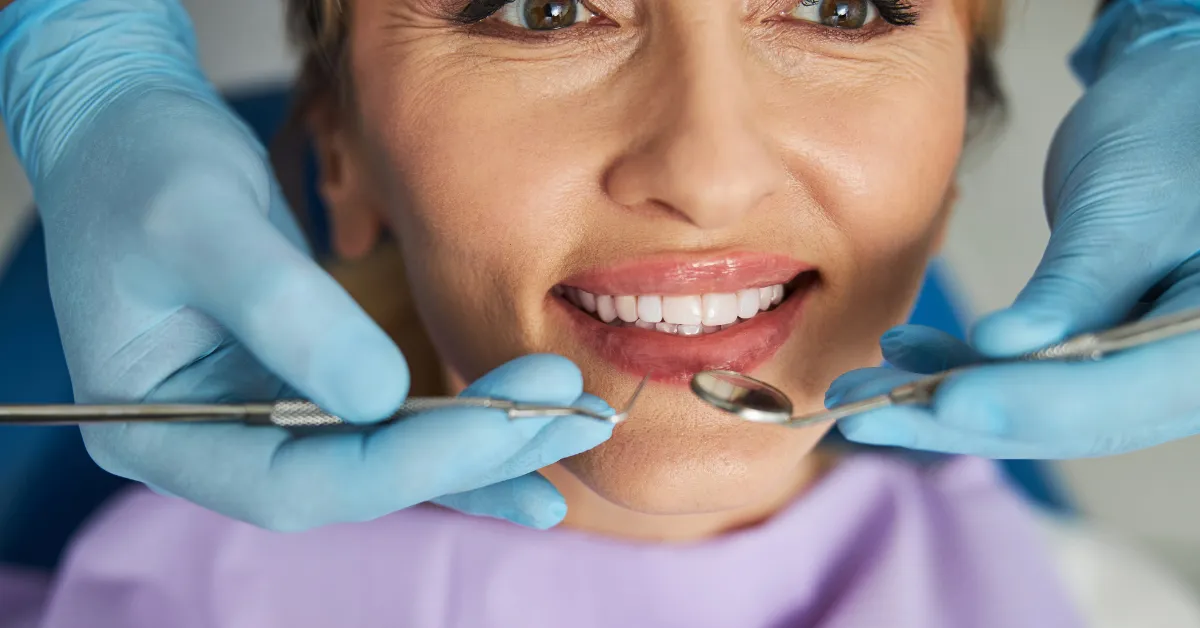
Private dental practitioners employ sophisticated diagnostic techniques to identify the precise nature of occlusal discrepancies before recommending any adjustments. The assessment typically begins with a comprehensive examination of the patient’s bite pattern, jaw movement, and dental structure. Dentists utilise articulating paper to mark contact points between opposing teeth, revealing areas of premature contact or excessive pressure that may be contributing to muscular strain.

Advanced diagnostic tools such as digital bite analysis and jaw tracking systems allow practitioners to visualise the dynamic movement of the mandible throughout its range of motion. These technologies provide detailed information about how the teeth interact during various functional movements, enabling dentists to develop highly individualised treatment plans. The diagnostic phase also includes a thorough evaluation of the patient’s medical history, pain patterns, and lifestyle factors that might influence jaw function. Understanding occlusal equilibration techniques forms an essential component of this diagnostic approach, ensuring that treatment addresses the root cause rather than merely alleviating symptoms.

Precision Techniques in Occlusal Adjustment

The actual adjustment process requires exceptional precision and a deep understanding of dental biomechanics. Private dentists carefully reshape specific tooth surfaces to eliminate premature contacts and establish balanced occlusion across the entire dental arch.

This selective recontouring involves removing minute amounts of enamel from predetermined locations, guided by the diagnostic findings gathered during the assessment phase. The procedure is typically comfortable and performed with meticulous attention to preserving tooth structure whilst achieving optimal functional alignment.

Each adjustment is verified through repeated bite assessments, ensuring that the modifications create harmonious contact patterns across all teeth. The dentist works methodically through different jaw positions, checking that the teeth meet evenly during closure, lateral movements, and forward excursions. This comprehensive approach to achieving dental harmony through occlusal procedures ensures that no single tooth bears disproportionate force, thereby reducing muscular strain and joint stress.

The Role of Follow-Up Care in Long-Term Relief

Successful occlusal therapy extends beyond the initial adjustment appointments. Private dentists typically schedule follow-up visits to monitor the patient’s response to treatment and make any necessary refinements. The neuromuscular system requires time to adapt to the newly established bite pattern, and patients may experience gradual improvement in their symptoms over several weeks. During follow-up appointments, dentists assess whether the adjustments have achieved the desired therapeutic effect and whether additional modifications might enhance comfort.

Research has demonstrated the effectiveness of occlusal adjustments in reducing chronic pain symptoms. Clinical studies examining occlusal therapy outcomes have shown significant improvements in patients suffering from temporomandibular disorders and related pain conditions. These findings underscore the importance of precise bite alignment in maintaining comfortable jaw function and preventing chronic pain development.

Achieving Lasting Comfort Through Professional Expertise

The customisation of occlusal adjustments represents a sophisticated intersection of diagnostic skill, technical precision, and biomechanical understanding. For individuals experiencing chronic jaw pain and headaches, this therapeutic approach offers a scientifically grounded solution that addresses the fundamental cause of their discomfort. Private dental practitioners bring valuable expertise to this complex field, utilising advanced diagnostic tools and refined adjustment techniques to restore harmonious bite relationships.

The journey towards relief requires patience, professional guidance, and a commitment to comprehensive care. Through careful assessment, precise adjustment, and attentive follow-up, dental professionals can help patients achieve significant improvements in their quality of life, transforming persistent pain into lasting comfort and functional ease.