
How Dental Implants Influence Taste Perception and Sensory Experience
The Surprising Connection Between Tooth Replacement and Flavour
The relationship between dental health and the ability to savour food extends far beyond simple chewing mechanics. When individuals lose natural teeth, the consequences ripple through various aspects of oral function, including the often-overlooked realm of taste perception. Modern restorative dentistry has revealed fascinating insights into how tooth replacement solutions such as dental implants Brentwood affect sensory experiences, particularly when it comes to appreciating the full spectrum of flavours in meals.
The science behind taste perception involves a complex interplay of sensory receptors, neural pathways, and structural elements within the mouth. Natural teeth contribute to this system in ways that many people never consider until faced with tooth loss. The subsequent choice of replacement option can dramatically influence whether someone continues to enjoy their favourite dishes with the same intensity and satisfaction they once knew.
Understanding the Mechanics of Taste
Taste perception relies on far more than taste buds alone. The entire oral cavity participates in creating the sensory experience of eating, with texture, temperature, and even sound playing crucial roles. Natural teeth provide stability and structure that enable proper food manipulation, allowing flavours to release and interact with receptors throughout the mouth. When teeth are missing, this delicate ecosystem becomes disrupted.
Traditional dentures, whilst functional, can create barriers to optimal taste perception. The palate-covering design of upper dentures blocks a significant portion of taste receptors located on the roof of the mouth. Additionally, the bulk of denture materials can interfere with temperature sensation, which significantly influences how the brain interprets flavour. These limitations often lead to a diminished dining experience, with many denture wearers reporting that food simply doesn’t taste as vibrant as it once did.
The Implant Advantage for Sensory Restoration
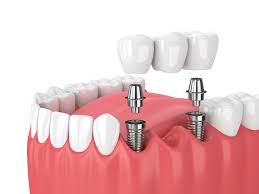
Modern dental implants practices offer represent a fundamentally different approach to tooth replacement. By anchoring prosthetic teeth directly into the jawbone, these solutions eliminate the need for palate-covering appliances. This preservation of the natural oral architecture allows taste receptors to remain fully accessible and functional, maintaining the complete sensory landscape that makes eating pleasurable.
Research has demonstrated measurable improvements in taste perception following implant placement, with patients reporting enhanced ability to distinguish subtle flavours and appreciate complex dishes.
The restoration of proper chewing function also plays a vital role in flavour release. Implant-supported teeth provide the stability and biting force necessary to properly break down food, allowing aromatic compounds to be released and detected by olfactory receptors. Since smell accounts for approximately 80% of what people perceive as taste, this mechanical advantage translates directly into a richer sensory experience.
Temperature Sensitivity and Textural Awareness
Beyond basic taste recognition, implant-supported restorations preserve the mouth’s ability to detect temperature variations in food and beverages. This thermal sensitivity adds a crucial dimension to the eating experience, from the comforting warmth of soup to the refreshing coolness of ice cream. Natural temperature perception also serves a protective function, alerting individuals to potentially harmful extremes before injury occurs.
The tactile feedback provided by implant-supported teeth enables better appreciation of food textures. The crispness of fresh vegetables, the tenderness of perfectly cooked meat, and the delicate crunch of pastry all register more accurately when teeth are firmly anchored. This enhanced sensory feedback transforms mealtimes from mere sustenance into genuinely enjoyable experiences.
Psychological Factors in Taste Perception
The confidence that comes with secure, stable teeth cannot be discounted when considering sensory experiences. Individuals who feel self-conscious about loose dentures or missing teeth often rush through meals or avoid certain foods altogether. This psychological burden diminishes the pleasure of eating, regardless of actual taste perception capabilities. Those who choose dental implants frequently report renewed enthusiasm for dining, both at home and in social settings.
Long-Term Sensory Benefits
The advantages of implant-supported restorations extend well beyond the immediate post-treatment period. Unlike traditional dentures, which may require frequent adjustments and can lead to progressive bone loss, implants maintain jawbone structure and oral architecture over time. This stability ensures that taste perception remains optimal for years following placement, allowing patients to continue enjoying their favourite foods without compromise.
The Future of Flavour Appreciation
The connection between the dental implants practitioners offer and improved taste perception represents a significant advancement in quality of life for those facing tooth loss. By preserving the natural oral environment and restoring proper function, these solutions enable individuals to maintain one of life’s fundamental pleasures: the enjoyment of good food. The investment in implant dentistry extends beyond aesthetics and function, touching the very essence of daily satisfaction and wellbeing.